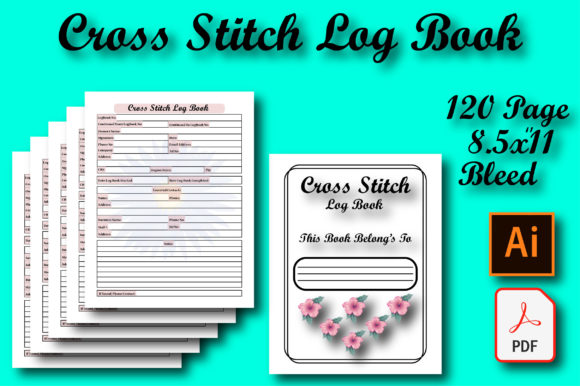
Reviewing Cross Stitch Log Book for Holiday Sales
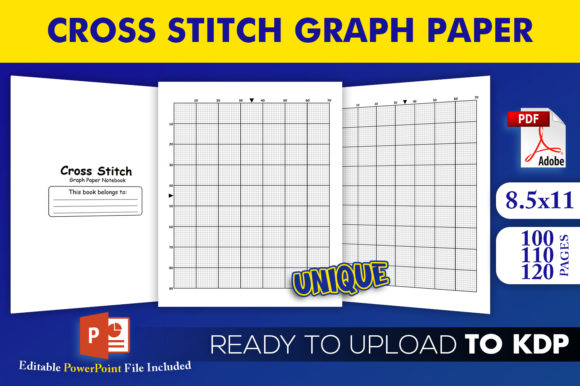
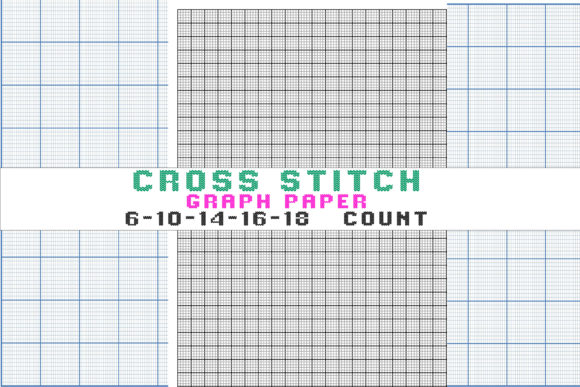
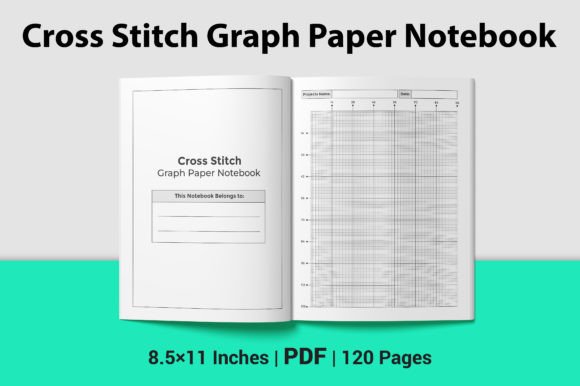
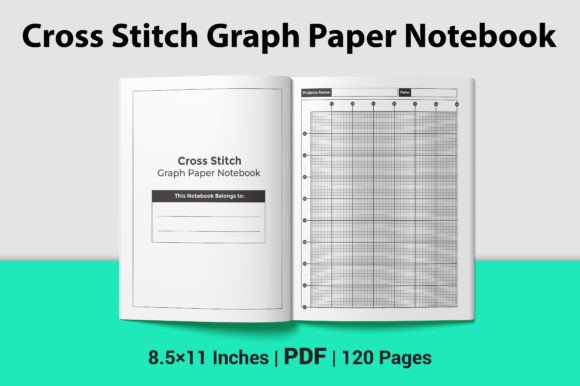
As an embroidery designer who has spent years navigating the chaotic yet rewarding rush of the holiday season, I approach every new digital embroidery file with a critical eye. It is not just about whether a design looks pretty on a screen; it is about how it translates to fabric, how it appeals to a tired shopper scrolling through Etsy at midnight, and whether it holds up after being washed, worn, and loved. Recently, I reviewed the Cross Stitch Log Book from Kdp Interiors Graphics to determine its viability for my upcoming seasonal product collection. While the source material describes this as a resource for low or no content business interiors, my focus here is strictly on its potential as a visual asset for seasonal embroidery projects.
The Aesthetic First Impression
When I first opened the files associated with the Cross Stitch Log Book, the immediate feeling was one of nostalgic warmth. The aesthetic leans heavily into the "cozy cottage" vibe that has dominated home decor trends for the last few years. For holiday sellers, this is gold. The design elements evoke a sense of handmade tradition, bridging the gap between modern digital precision and the rustic charm of hand-stitched heirlooms. It feels less like a corporate graphic and more like a page torn from a grandmother’s recipe box or a cherished journal.
This emotional tone is crucial for holiday embroidery. Buyers are not just purchasing a sweatshirt or a tote bag; they are buying into a feeling of comfort, family, and tradition. The detailed nature of the graphics suggests a premium quality that can elevate a simple item into a personalized gift worthy of framing or gifting to a loved one. However, because the source description mentions "100 formatted" interiors, we must assume a variety of layouts. This diversity allows us to pick the most ornament-like or badge-style elements that translate best to textile applications.
Strategic Product Applications for the Season
The versatility of the Cross Stitch Log Book imagery makes it a strong contender for multiple product lines. Here is how I envision deploying these designs in a real-world shop scenario:
- Sweatshirt Embroidery: Placing a central, badge-style element from the log book on the chest of a cream or oatmeal-colored crewneck creates an instant bestseller. The cross-stitch aesthetic pairs perfectly with the soft texture of fleece.
- Tote Bag Design: For the eco-conscious shopper, a canvas tote featuring a larger, more intricate layout from the graphics collection serves as a practical yet stylish accessory for holiday market runs.
- Kitchen Towel Embroidery: This is perhaps the most natural fit. The "log book" theme aligns beautifully with culinary traditions. Embroidering these designs on flour sack towels creates affordable add-on items for gift bundles.
- Pillow Cover Accents: Using the smaller, iconographic elements as corner accents on linen pillow covers adds a subtle touch of seasonal flair without overwhelming the room’s decor.
- Embroidered Patch: If the stitch density allows, these designs can be digitized onto felt or twill backing to create iron-on patches for denim jackets or backpacks, appealing to a younger demographic.
For Etsy seller accounts, creating mockups that show these items in a cozy, lit-by-firelight setting can significantly boost click-through rates. The printable mockup potential is high because the designs inherently look like physical objects, reducing the cognitive load for the buyer who needs to imagine the final result.
Navigating Technical Challenges
While the aesthetic appeal is high, we must address the technical realities of translating book interior graphics into a machine embroidery design. Not every graphic in a KDP interior pack is optimized for the needle. Here are the critical constraints to consider:
First, watch out for tiny lettering. Cross-stitch styles often rely on small, pixel-like blocks to form letters. If the original graphic has fine text, it may not stitch out clearly on standard fabrics. You may need to simplify the design or increase the hoop size to ensure legibility. Second, consider stitch density. Complex, detailed graphics can result in excessive stitch counts, which may cause puckering on lightweight fabrics like kitchen towels. Always test on scrap fabric first.
Additionally, be cautious with dark fabrics. The cross-stitch look often relies on negative space and light thread colors. On black or navy garments, you might need to use a white underlay or choose a different color palette to maintain contrast. Metallic threads can add a festive sparkle but require slower machine speeds and careful tension adjustments to prevent breakage.
Enhancing Seasonal Appeal and Brand Trust
Using the Cross Stitch Log Book graphics effectively can do more than just sell a single item; it can strengthen your brand identity. Consistency is key in building customer trust. If your shop specializes in rustic, handmade-style goods, this design language reinforces that promise. During the holiday shopping period, buyers are looking for authenticity. A design that looks like it was lovingly crafted by hand—even if produced via a commercial embroidery machine—creates an emotional connection.
Furthermore, these designs lend themselves well to limited-edition drops. By pairing specific graphics from the collection with seasonal colors (deep reds, forest greens, snowy whites), you create a cohesive small shop product line that feels curated and exclusive. This urgency drives engagement and encourages faster purchase decisions.
Practical Designer Notes for Execution
- Test Thread Colors: Before launching, stitch samples on both light and dark fabrics. Verify that your chosen thread colors pop against the background and match the seasonal mood.
- Check Stabilizer Compatibility: Detailed designs require proper support. Use a cut-away stabilizer for stretchy garments like sweatshirts and a tear-away for stable woven fabrics like tote bags.
- Verify Licensing: The product description mentions Kdp Interiors and graphics ready for upload. However, it does not explicitly state commercial embroidery rights. You must confirm the license terms before selling finished products. Ensure you have the right to use these graphics for commercial embroidery purposes.
- Review Details Post-Stitch: After stitching, inspect the sample for any loose threads or missed stitches. Trim carefully to maintain the clean, pixelated look of the cross-stitch style.
- Create Realistic Mockups: Use high-quality photos of your stitched samples. Show the texture of the thread and the fabric. This transparency builds confidence in the finished product.
In conclusion, the Cross Stitch Log Book offers a rich vein of visual inspiration for the holiday season. While it originates as a KDP interior resource, its aesthetic value for handmade gift creators is significant. By carefully selecting the right elements, adjusting for technical limitations, and presenting them within a cohesive seasonal narrative, you can transform these graphics into standout products. Whether you are decorating aprons, ornaments, or baby items, the key lies in respecting the craft while leveraging the efficiency of digital tools. Happy stitching, and may your holiday sales be as bright as your thread choices.