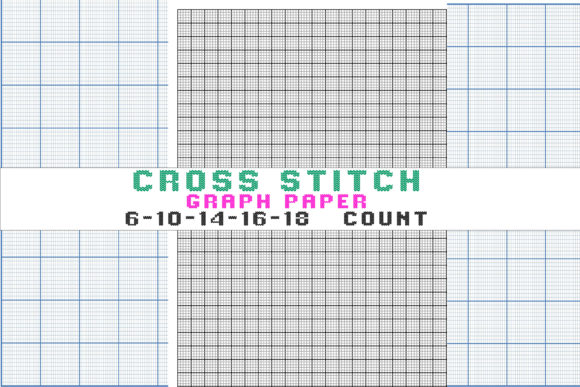
Cross Stitch Graph Paper: A Designer’s Review
As an embroidery designer who has spent years translating digital concepts into tangible, stitched realities, I approach every new asset with a critical eye. We are often bombarded with files that look promising on a screen but fail miserably under the needle. Today, I am evaluating Cross Stitch Graph Paper, a digital product categorized under Kdp Interiors and Graphics. While the title suggests a simple utility for planning, my review focuses on its potential as a foundational design element for real-world embroidery projects, from custom apparel to boutique merchandise.
First Impressions: Structure Meets Creativity
The immediate appeal of Cross Stitch Graph Paper lies in its inherent order. In a world of chaotic creative processes, the grid represents clarity. For an embroidery designer, this isn't just about drawing squares; it is about understanding scale, proportion, and pixel-perfect placement. The mood this asset creates is one of precision and nostalgia. It evokes the tactile feeling of traditional cross-stitch hoops while offering the flexibility required for modern digital embroidery file workflows.
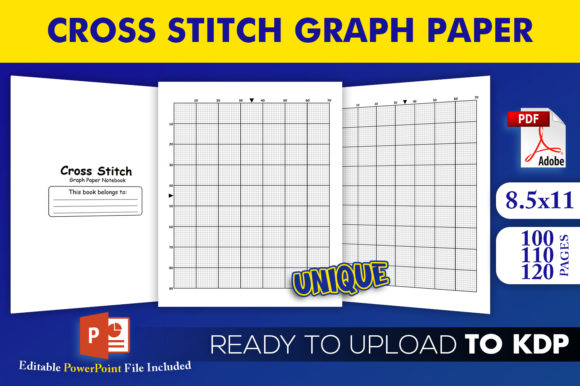
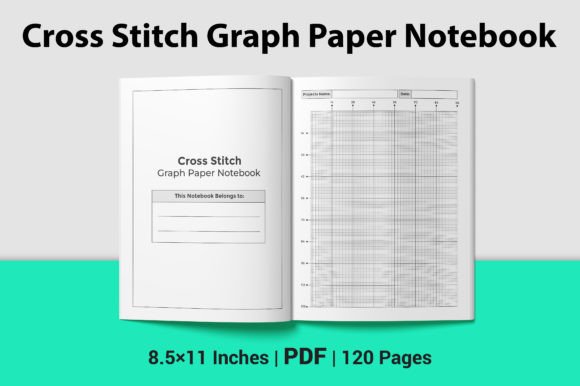
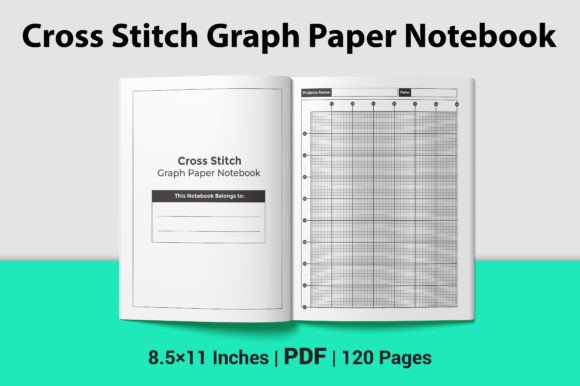
Visually, the layout is clean and uncluttered. This simplicity is its greatest strength. It allows the designer to focus on the motif rather than fighting against a busy background. When I first opened the included PowerPoint source files, I appreciated the editability. Being able to manipulate the grid lines or overlay custom graphics means this isn't just a static image; it is a versatile design asset that can be adapted for various embroidery project needs.
Real-World Application: From Screen to Stitch
To truly test the value of Cross Stitch Graph Paper, I imagined a specific scenario: creating a line of personalized tote bags for a local craft fair. The goal was to offer customers a "design your own" experience where they could visualize their initials or simple icons within a structured grid. Here, the graph paper serves as both the template and the aesthetic backdrop.
For tote bag design, the grid provides a natural guide for alignment. When transferring this concept to a machine embroidery design, the clear lines help in mapping out stitch density. If you are creating a custom apparel piece, such as a sweatshirt with a retro gaming motif, the graph paper background can be stitched using a light running stitch or a subtle fill stitch to create texture without overwhelming the main subject. This approach adds depth to the finished product, making it feel more curated and less like a generic print.
Consider also the realm of baby embroidery. Parents love personalized items, and a onesie featuring a child’s name mapped out on a soft, pastel-colored grid feels both educational and charming. The Cross Stitch Graph Paper template allows you to plan these letters precisely, ensuring that each character sits perfectly within the hoop. This level of planning reduces errors and increases the perceived value of the handmade product.
Navigating Technical Challenges
While the concept is strong, practical application requires caution. Not every fabric or garment is suitable for grid-based designs. When working with textured fabrics like heavy linen or terry cloth, fine grid lines can get lost or distort. In these cases, I recommend increasing the line weight in the editable PowerPoint file before converting it into an embroidery file.
Another critical consideration is hoop size. If you are working with a small 4x4 hoop for an embroidered patch, the grid must be simplified. Too many lines in a small space will result in excessive stitch density, which can cause puckering or needle breaks. Always test the design on scrap fabric first. This is non-negotiable. Check how the thread interacts with the material. For dark fabrics, you may need to adjust the thread colors of the grid to ensure visibility, perhaps opting for a contrasting metallic or bright cotton thread.
Curved surfaces, such as caps or hats, present another challenge. The rigid geometry of Cross Stitch Graph Paper can look distorted if not digitized correctly for curved stabilizer applications. I advise using a cut-away stabilizer for these items to maintain the integrity of the grid lines during wear and washing. Additionally, avoid placing dense grid areas near seams or zippers, as this can interfere with the machine’s ability to stitch smoothly.
Enhancing Brand Consistency and Value
For Etsy sellers and small shop product creators, consistency is key to building trust. Using a standardized grid template across your product line creates a cohesive brand identity. Whether you are selling holiday embroidery ornaments or wedding gifts, the familiar structure of the graph paper ties disparate items together. It signals professionalism and attention to detail.
Moreover, the inclusion of a printable mockup capability via the PDF and JPEG files allows you to showcase your designs effectively online. Customers often struggle to visualize how an embroidered item will look. By presenting your personalized gift options within the context of the graph paper, you provide a clear, intuitive preview. This transparency boosts buyer engagement and reduces return rates due to mismatched expectations.
Practical Designer Notes
Before integrating Cross Stitch Graph Paper into your commercial workflow, keep these technical tips in mind:
- Verify Licensing: The product description mentions it is ready for KDP and includes editable files. However, always confirm the specific license terms for commercial embroidery use. Ensure you have the right to sell finished items or modified digital versions.
- Check File Compatibility: The package includes PPT, PDF, and JPEG files. Note that these are graphic files, not native machine embroidery formats like PES or DST. You will need to digitize the grid or use it as a visual reference for your digitizing software.
- Contrast is Crucial: Test your design in black and white mockups first. If the grid disappears against the background color, adjust the opacity or line thickness.
- Stabilizer Selection: For lightweight fabrics, use a tear-away stabilizer to prevent stiffness. For stretchy knits, a cut-away stabilizer is essential to maintain the grid's shape.
- Density Management: If stitching the grid, use a single run of thread rather than a satin or fill stitch to keep the design light and flexible.
Final Verdict
Cross Stitch Graph Paper is more than a simple organizational tool; it is a versatile component for modern embroidery design. Its strength lies in its adaptability and the professional structure it brings to craft business projects. While it requires careful handling regarding fabric choice and stitch density, the payoff is a polished, high-quality finished product that resonates with customers seeking unique, handmade items.
For designers looking to elevate their commercial embroidery offerings or streamline their customization process, this asset is a worthwhile addition to your library. Just remember: the magic happens not just in the download, but in the thoughtful application of these grids to real, tangible creations. Treat it as a foundation, not just a background, and you will find endless possibilities in every square.