Cross Stitch Graph Paper Notebook KDP Review
As an embroidery designer who spends half the year planning for the holiday rush, I am always on the lookout for resources that bridge the gap between digital planning and physical creation. When I first encountered the Cross Stitch Graph Paper Notebook KDP, my initial reaction was curiosity mixed with practical skepticism. At first glance, this product is categorized under Kdp Interiors and Graphics, which typically signals a resource for self-publishers rather than stitchers. However, in the world of handmade goods, versatility is key. This review explores how this specific graphic resource can serve as a foundational tool for seasonal product development, particularly for those of us creating custom patterns for holiday gifts.
The First Impression: A Canvas for Creativity
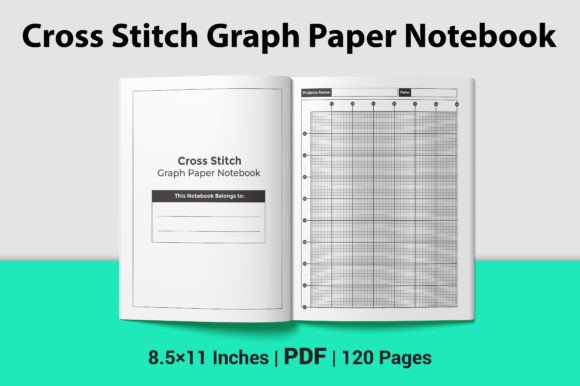
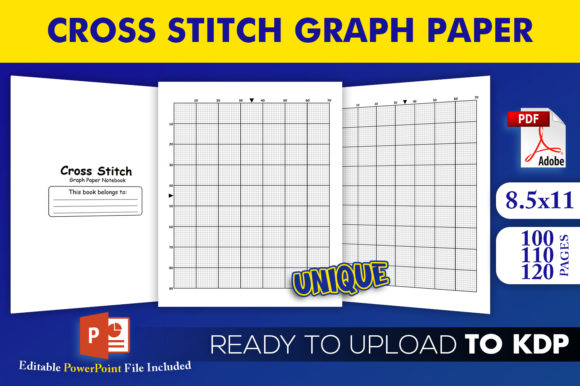
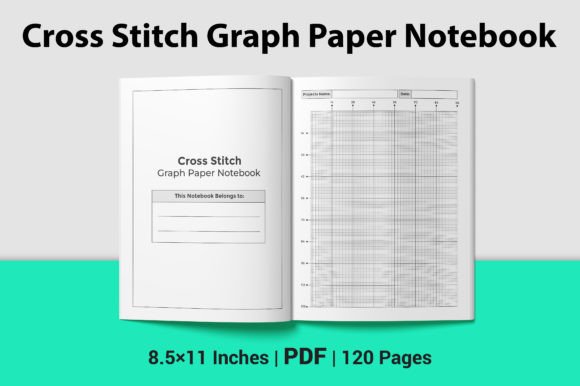
The Cross Stitch Graph Paper Notebook KDP offers a clean, structured aesthetic that immediately evokes a sense of order and nostalgia. For an embroidery designer, graph paper is not just stationery; it is the blueprint of our craft. The 8.5×11 inch dimensions provide a standard, comfortable workspace for sketching out motifs before they ever hit the digitizing software. While this is a PDF interior meant for Amazon KDP, its utility extends far beyond book publishing. It serves as a reliable template for mapping out holiday embroidery designs, ensuring that your pixel-perfect cross-stitch concepts translate accurately into machine stitches or hand-embroidered finishes.
The emotional tone of this resource is grounded and professional. It lacks the flashy distractions of pre-made clip art, allowing you to focus entirely on the geometry of your design. Whether you are aiming for a rustic, cozy feel for winter home decor or a crisp, modern look for contemporary apparel, starting with a precise grid helps maintain consistency. This is especially crucial when designing for seasonal embroidery collections where uniformity across multiple products—like matching family sweatshirts or a set of kitchen towels—is vital for brand recognition.
Integrating Graphics into Seasonal Product Lines
You might wonder how a notebook interior fits into a shop filled with tangible goods. The answer lies in the design process. Before creating a machine embroidery design for a festive pillow cover or an embroidered patch, I use grids like those found in the Cross Stitch Graph Paper Notebook KDP to plan stitch placement. This step is invaluable for avoiding common pitfalls in commercial embroidery, such as uneven spacing or disproportionate lettering.
For Etsy sellers and small shop owners, this resource supports the creation of unique, proprietary designs. By sketching your personalized gift ideas on this standardized grid, you ensure that your final embroidery file is balanced. Imagine designing a custom monogram for a baby’s blanket or a intricate snowflake pattern for a tote bag. Having a consistent grid reference allows you to scale these designs accurately across different hoop sizes. This attention to detail elevates the perceived value of your handmade gift items, making them stand out in a crowded marketplace during the high-pressure holiday shopping period.
Practical Applications for Holiday Sellers
When building a seasonal collection, efficiency is everything. Here is how I integrate this graphic tool into my workflow for various product types:
- Sweatshirt Embroidery: Planning large back designs requires careful spacing to avoid stiffness. Using the graph paper layout helps visualize the density and spread of the design before digitizing.
- Kitchen Towel Embroidery: Towels have a distinct weave that can distort small details. Sketching on the grid helps me simplify complex motifs, ensuring they remain legible on textured fabric.
- Ornaments and Patches: Small hoops demand precision. The grid allows me to maximize detail within limited space, crucial for cute, intricate holiday ornaments.
- Printable Mockups: Once a design is stitched, I often use the clean aesthetic of the graph paper background in promotional graphics to highlight the craftsmanship of the finished product.
This approach transforms a simple digital embroidery file preparation step into a strategic advantage. It ensures that every item, from aprons to baby items, meets a high standard of quality.
Navigating Technical Challenges
While the Cross Stitch Graph Paper Notebook KDP is an excellent planning tool, it is important to remember that translating a grid concept to fabric requires technical awareness. Not all designs look good on every material. For instance, dense stitch areas planned on paper may pull excessively on stretchy garments like caps or thin t-shirts. Always consider the stitch density relative to the fabric texture.
Additionally, be cautious with tiny lettering or layered details when working with thick towels or dark fabrics. What looks clear on an 8.5×11 inch PDF page might become a tangled mess if the thread colors do not contrast sufficiently with the base material. I recommend testing your planned designs on scrap fabric first. Use the appropriate stabilizer to support the stitch structure, especially for items that will undergo repeated washing, such as kitchen linens or children’s clothing.
Enhancing Brand Consistency and Trust
In the competitive landscape of Etsy seller accounts and independent boutiques, consistency builds trust. By using a standardized planning method derived from resources like the Cross Stitch Graph Paper Notebook KDP, you create a cohesive visual language for your brand. Customers begin to recognize the precision and care in your work. This reliability is a powerful driver of sales during the holiday season, when buyers are looking for dependable, high-quality finished product options.
Moreover, this level of preparation allows for better social media previews. You can share behind-the-scenes content showing your design process, from the initial graph paper sketch to the final stitched item. This narrative engages customers, giving them insight into the effort behind each small shop product. It turns a simple transaction into a connection with the maker.
Designer Notes for Best Results
To get the most out of this resource, keep these practical tips in mind:
- Check Licensing: Always review the Creative Fabrica product details and licensing terms. While this is a KDP interior, ensure your usage for commercial design planning aligns with their policies.
- Verify Dimensions: The product details state 8.5×11 inches with no bleed. Use this exact ratio when scaling your digital mockups to ensure accuracy.
- Test Thread Colors: Before committing to a full production run, stitch a sample on both light and dark fabrics to confirm visibility.
- Confirm Hoop Size: Ensure your planned design fits comfortably within your machine’s hoop capabilities, leaving room for stabilization.
- Create Realistic Mockups: Use the clean lines of the graph paper to create professional-looking listings that highlight the geometry of your cross-stitch inspired designs.
In conclusion, while the Cross Stitch Graph Paper Notebook KDP is technically a Graphics product for publishers, its value to the embroidery community is undeniable. It provides the structural foundation needed to create precise, professional, and appealing holiday embroidery projects. By integrating this tool into your design workflow, you enhance the quality of your personalized gift offerings and streamline your production process for the busy seasonal market.