Mandala Ripple Spider Web: A Designer's Field Test
As someone who spends more time under the hoop than most, I approach every new machine embroidery design with a mix of excitement and skepticism. We've all been burned by beautiful digital previews that turn into thread nests on fabric. So, when I first pulled up the Mandala Ripple Spider Web file on my screen, I didn't just look at the colors; I looked at the structure. This isn't just another seasonal graphic; it is a complex interplay of geometry and organic flow that demands respect from the stitcher.
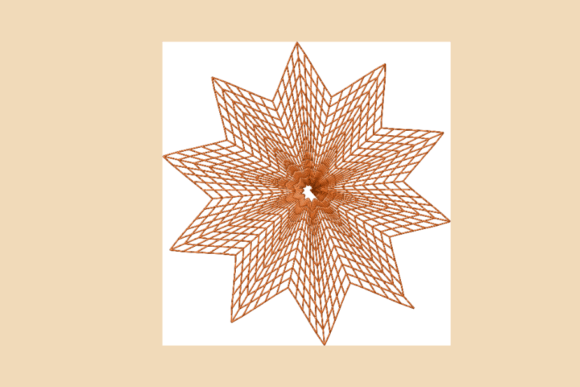
The initial impression is one of hypnotic depth. The design intricately blends elements of nature, particularly shells, with a mesmerizing ripple effect. It feels less like a static image and more like a captured moment of movement. For those of us in the Shapes category of Embroidery, this piece stands out because it avoids the rigid symmetry often found in mandalas, opting instead for a fluid, web-like progression that mimics natural growth patterns. The visual personality is earthy yet modern, making it a versatile candidate for a wide range of projects beyond just Halloween or autumn decor.
Putting the Design to Work: A Real-World Scenario
To truly evaluate the Mandala Ripple Spider Web, I needed a project that would test its limits while showcasing its strengths. I decided to create a custom embroidered tote bag for a local boutique client who specializes in eco-friendly goods. She wanted something that felt "grounded" but artistic—something that wouldn't scream "seasonal clearance" in November. This design fit the brief perfectly.
I selected a heavy-weight canvas tote, knowing that the density of the ripples required a stable foundation. The process began with hooping. Because the design features fine, radiating lines similar to a spider web, alignment was critical. I used a water-soluble topper to prevent the stitches from sinking into the weave of the canvas, a step I highly recommend for any tote bag design involving detailed fill work. As the machine began stitching, the transition from the shell-inspired core to the outer ripple rings was seamless. The stitch density appeared balanced; it wasn't so heavy that it puckered the fabric, nor so light that the background showed through awkwardly.
The finished product was striking. On the neutral beige canvas, the thread colors popped with a subtle vibrancy. Customers at the boutique immediately gravitated toward it, not just for the aesthetic, but for the tactile quality of the embroidery. It added a perceived value to the handmade product that a simple print could never achieve. This is exactly the kind of reaction an Etsy seller or small shop owner hopes for: a design that stops the scroll and invites a closer look.
Versatility Across Products and Fabrics
While the tote bag was a success, my mind immediately went to other applications. The Mandala Ripple Spider Web is incredibly adaptable. Imagine this as a sweatshirt embroidery element on the back of a oversized hoodie. The organic shapes would drape well with the fabric's movement. It would also make a stunning embroidered patch; the defined outer edges of the ripple effect would allow for a clean merrowed or satin border, creating a durable accessory for jackets or bags.
For those focusing on baby embroidery, this design could be softened with pastel threads and scaled down for a nursery blanket or a onesie bib. The shell motifs bring a gentle, oceanic vibe that works year-round, moving it away from being strictly a fall item. However, caution is needed here. If you are working on stretchy knits or thin fabrics, you must verify the stabilizer choice. A cut-away stabilizer is likely necessary to support the weight of the ripples without distorting the garment over time.
I also see potential in home decor. A set of kitchen towels featuring a monochromatic version of this design would elevate a standard holiday embroidery gift into something sophisticated. The key is in the thread selection. Using variegated threads could enhance the ripple effect, adding dimension that solid colors might miss. Conversely, a high-contrast black-on-white approach emphasizes the geometric precision of the web structure.
Critical Considerations for Professional Results
Despite its beauty, the Mandala Ripple Spider Web is not without its challenges. As a professional, I have to point out where things could go wrong. First, consider the hoop size. If your version of this file is large, ensure your machine can handle the area without re-hooping, which risks misalignment in such a precise pattern. If you are attempting this on a curved surface like a cap, proceed with extreme care. The flat, radiating nature of the design does not naturally conform to a curved brim without significant distortion or specialized framing techniques.
Detail level is another factor. The inner sections of the shell and the finest points of the web require sharp needle penetration. If your machine is older or your needles are dull, these tiny corners may bunch up. Always test the embroidery file on a scrap piece of your actual production fabric first. Do not skip this step. What looks crisp on a printable mockup can look muddy on textured linen or fuzzy fleece.
Furthermore, think about washability. Clients expect their custom apparel and household items to last. Dense areas in the ripple zones might hold water or detergent if not stitched correctly, leading to stiffness. Review the stitch types used in the file. If it relies heavily on long running stitch lines for the webbing, ensure they are tacked down sufficiently to prevent snagging. If it uses satin stitch columns, check the width to ensure they don't become too bulky on thinner materials.
Final Verdict for Craft Entrepreneurs
In the world of commercial embroidery and design assets, consistency is king. The Mandala Ripple Spider Web offers a high level of visual appeal that can boost brand consistency for makers who focus on nature-inspired or bohemian aesthetics. It builds customer trust because it looks professionally executed, provided the stitcher pays attention to tension and stabilization.
Before adding this to your inventory of digital embroidery file offerings or using it for client work, double-check the licensing terms. Ensure you have the rights to sell the finished product or if there are restrictions on the number of physical items produced. Also, confirm the available formats match your machine's requirements.
Ultimately, this design is a strong contender for your next project. It bridges the gap between artistic expression and technical feasibility. Whether you are creating a personalized gift for a friend or stocking shelves for a craft business, the Mandala Ripple Spider Web delivers a stunning visual impact that feels both timeless and fresh. Just remember: the magic is in the execution. Treat the details with care, choose your materials wisely, and let the natural rhythm of the design shine through in your embroidery project.