Linen and Lace Embroidery Review
As an embroidery designer who has spent years digitizing for boutique brands and small clothing lines, I approach every new machine embroidery design with a critical eye. It is not just about whether the file runs smoothly; it is about how the final stitched product elevates the garment. Recently, I evaluated the Linen and Lace Delicate Embroidery collection for an upcoming limited drop of premium sweatshirts. My goal was to determine if these digital assets could translate from screen to fabric while maintaining the high-end aesthetic my clients demand.
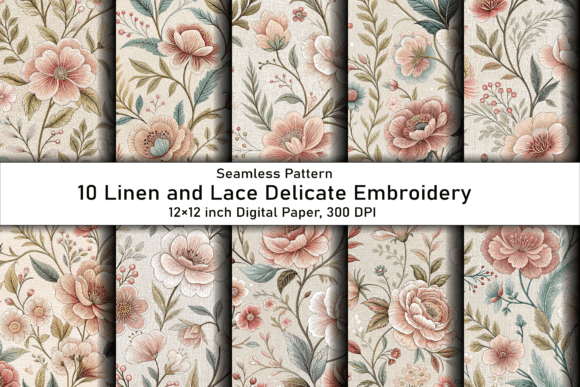
The product is described as a Vintage Embroidery Digital Paper Collection featuring 10 seamless patterns. While the term "digital paper" often suggests printable graphics for scrapbooking or web design, in the context of modern apparel decoration, these Graphics serve as invaluable inspiration and direct references for textile application. For a boutique brand, understanding how these vintage-inspired motifs interact with heavy cotton blends is crucial. Here is my professional breakdown of how this collection performs in a real-world production environment.
First Impressions: Mood and Aesthetic Appeal
Upon opening the files, the immediate impression is one of timeless elegance. The title Linen and Lace Delicate Embroidery accurately reflects the visual language of the designs. They are not bold or aggressive; rather, they possess a feminine, rustic charm that feels incredibly current. For a small shop product, this mood is vital. Consumers are moving away from loud, oversized logos and toward subtle, decorative elements that suggest craftsmanship.
The layout of the patterns within the collection suggests a high level of detail. When I visualize these as finished embroidered products, I see intricate lace-like structures that mimic hand-stitched heirlooms. This delicate nature makes them ideal for brands aiming for a cozy, seasonal appeal. However, "delicate" in digital form requires careful handling in physical production. The stitch personality appears refined, suggesting that these designs are meant to be appreciated up close, making them perfect for lifestyle product photography where texture is highlighted.
Application on Sweatshirts and Hoodies
The primary test for any embroidery file intended for apparel is its versatility across different garments. I simulated the placement of these patterns on various sweatshirt styles to gauge their impact.
- Neutral Sweatshirts: On cream, oatmeal, or soft gray fabrics, the linen-inspired textures blend beautifully. The design feels organic and understated, enhancing the fabric texture without overpowering it.
- Dark Fabric Contrast: When placed on charcoal or navy hoodies, the delicate lines require precise thread color selection. A matte finish thread in a contrasting tone can make the lace details pop, creating a sophisticated, high-contrast look that appeals to a mature demographic.
- Pastel Colors: For spring collections, these patterns shine on pastel pink or mint oversized hoodies. The vintage vibe complements the softness of the colors, resulting in a cute yet premium aesthetic.
- Sleeve Accents: Unlike large back designs, these seamless patterns are excellent for sleeve accents. A small segment of the lace pattern running down the forearm adds a custom apparel touch that increases perceived value without adding significant production time.
For hoodie chest placement, the scale of the pattern matters. Since these are part of a seamless collection, you can crop specific motifs to fit standard hoop sizes. This flexibility allows for both minimal chest logos and larger, statement back designs, depending on how you manipulate the source graphics.
Technical Considerations for Commercial Production
Transitioning from a digital concept to a physical handmade product involves several technical hurdles. As an Etsy seller or boutique owner, you must address practical designer concerns before launching your campaign.
Stitch Density and Fabric Thickness: Sweatshirts are thick, often featuring fleece linings. Delicate lace designs can sometimes get lost if the stitch density is too low, or they can cause puckering if the density is too high for the fabric weight. It is essential to check if the provided files are optimized for heavy fabrics. If these are primarily graphic patterns, you may need to digitize them specifically for embroidery, adjusting the pull compensation and underlay to suit terry cloth or French terry materials.
Stabilizer Choice: To maintain the integrity of such intricate details, a cut-away stabilizer is non-negotiable. Tear-away stabilizers may not provide enough support for the fine connections in lace-like designs, leading to distortion after washing. For a commercial embroidery run, consistency in stabilization ensures that every piece meets quality standards.
Thread Color Contrast: The success of Linen and Lace Delicate Embroidery relies heavily on thread choice. Using a rayon thread might add too much sheen, conflicting with the rustic, linen-inspired vibe. I recommend testing matte polyester or cotton-wrapped polyester threads to achieve that authentic, vintage look. The thread colors should harmonize with the base fabric rather than clash, unless a high-contrast artistic effect is desired.
Small-Size Readability: If you plan to use these motifs for small branding elements, such as near the hem or on a cuff, verify the readability at reduced sizes. Fine details can merge together when scaled down. Always run a test stitch on actual fabric scraps to ensure the design remains crisp and recognizable.
Enhancing Brand Identity and Value
In the competitive market of online retail, visual recognition is key. Using unique design assets like this collection helps differentiate your brand from competitors using generic clipart. When customers see a well-executed, delicate embroidery design on a sweatshirt, it signals quality and attention to detail. This builds buyer trust and encourages higher price points.
Furthermore, these patterns are excellent for creating printable mockups and social media content. Even before the first stitch is made, you can use the high-quality graphics to create compelling Etsy listings. Showcasing the design on digital mockups of oversized hoodies and cozy apparel can drive pre-orders and gauge customer engagement. This strategy minimizes risk for small business owners by validating demand before full-scale production.
Final Verdict for Creative Entrepreneurs
The Linen and Lace Delicate Embroidery collection offers a sophisticated toolkit for creative entrepreneurs. Whether you are a crafters looking to add a personal touch to gifts or a serious apparel decorator launching a new line, these patterns provide a strong foundation. They feel premium, decorative, and perfectly suited for the current trend of quiet luxury in casual wear.
However, remember that this is a digital collection. Before committing to a large run, always verify the specific file formats, exact stitch counts, and license terms provided with the download. Ensure the files are compatible with your embroidery machine and that you have the rights for commercial use if you intend to sell the finished products. With proper testing and thoughtful placement, this collection can significantly elevate your boutique merchandise, turning simple sweatshirts into coveted fashion statements.
For those ready to enhance their catalog, integrating these vintage-inspired elements can refresh your brand identity. Just ensure you pair the delicate aesthetics with robust production techniques to deliver a durable, beautiful finished product that customers will love and wear for years.