Cupcake Embroidery: A Designer's Review for Boutique Sweatshirts
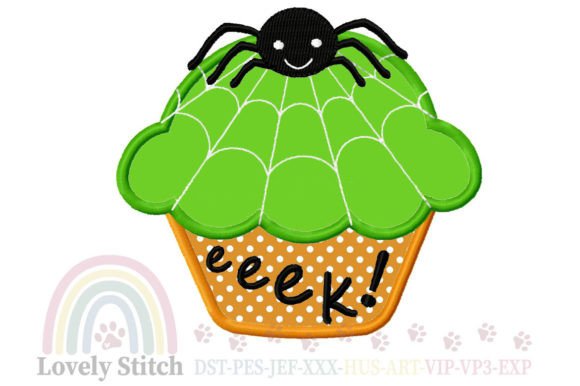
As an embroidery designer who spends most of my life staring at stitch maps and testing thread tensions, I am always on the hunt for designs that bridge the gap between whimsical fun and commercial viability. When I first pulled up the Cupcake Embroidery file, specifically the Halloween Appliqué version featuring a spider, web, and the word "Eeek," my initial reaction was one of cautious curiosity. We see countless seasonal motifs every year, but few manage to feel fresh enough for a limited boutique drop. After reviewing the layout and simulating the stitch-out on various fabric textures, I can confidently say this machine embroidery design has serious potential for small clothing brands looking to capture the playful side of autumn.
First Impressions: Mood and Layout Analysis
The immediate appeal of this Cupcake Embroidery lies in its charming contradiction. It takes the sweet, comforting imagery of a cupcake and twists it with classic spooky elements like a crawling spider and a delicate web. This juxtaposition creates a mood that is undeniably cute yet slightly edgy, perfect for the current market trend where customers want their seasonal apparel to be festive without being overly aggressive or gory. The inclusion of the text "Eeek" adds a narrative layer, turning a simple graphic into a conversation starter.
From a technical standpoint, the appliqué nature of the design suggests a high-quality finish. Appliqué techniques generally add texture and dimension that flat satin stitching cannot achieve alone. For a boutique brand, this textural difference is crucial; it signals to the buyer that this is a handmade product with value, not just a mass-printed tee. The layout appears balanced, with the spider web likely acting as a framing element that ties the cupcake and text together, ensuring the eye moves naturally across the finished product.
Visualizing the Design on Premium Sweatshirts
When planning a limited sweatshirt drop, fabric choice is everything. I envision this Cupcake Embroidery shining brightest on neutral-toned fleece. Imagine a heather grey or oatmeal oversized hoodie; the contrast of the colorful cupcake frosting and the stark black or orange spider would pop beautifully against the muted background. The fabric texture of a heavy cotton blend provides the necessary stability for the appliqué patches, preventing puckering and ensuring the design sits flush against the garment.
For those aiming for a softer, more feminine aesthetic, pastel lavender or mint green sweatshirts would offer a delightful canvas. In this context, the design leans heavily into the "kawaii spooky" trend, appealing to younger demographics and Etsy sellers targeting the Gen Z market. Conversely, placing this design on a deep charcoal or black hoodie creates a bold, high-contrast look. Here, the bright threads of the cupcake become the focal point, making the hoodie design stand out in low-light settings or lifestyle product photography.
I also see great potential for sleeve accents. While the full design works perfectly as a chest piece or a large back print, isolating just the spider or the mini cupcake for a sleeve cuff could create a cohesive collection. This approach allows for custom apparel branding where the main logo is on the back, and this seasonal motif acts as a subtle detail on the arm, increasing the perceived value of the garment.
Technical Considerations for Commercial Production
Before running this digital embroidery file on a production machine, there are several practical concerns any professional must address. First and foremost is stitch density. Appliqué designs can sometimes be dense, especially where the tack-down stitches meet the border. On thick sweatshirt material, excessive density can lead to needle deflection or fabric distortion. I recommend running a test stitch-out on a scrap piece of your actual blank to gauge how the machine handles the layers.
Stabilizer choice is equally critical. Given that sweatshirts are often made from stretchy fleece or French terry, a cut-away stabilizer is non-negotiable for durability. You want this Cupcake Embroidery to withstand repeated washing without the edges of the appliqué fraying or the fabric pulling away. If you are using a tear-away, you risk compromising the integrity of the design over time, which could hurt your buyer trust if a customer receives a damaged item.
Thread color selection will make or break the final look. While the design likely comes with a suggested color map, do not be afraid to customize the thread colors to match your specific brand palette. Swapping a standard orange for a burnt rust or a neon green for a muted sage can elevate the design from generic to bespoke. However, ensure there is sufficient contrast between the spider/web and the background fabric; if the threads blend too much, the intricate details of the web may get lost, reducing the impact of the "Eeek" text.
Hoop Size and Placement Strategy
One detail the product description does not explicitly state is the required hoop size. Before purchasing or loading the file, you must verify the dimensions to ensure it fits your machine's capabilities. For a chest placement on an adult oversized hoodie, you typically need at least a 4x4 or 5x7 hoop area. If the design is too large for your standard hoop, you may need to look for a resized version or adjust your placement strategy, perhaps moving it lower on the torso or utilizing a multi-position hoop if available. Always check the file specifications provided by the seller to avoid production halts.
Elevating Brand Identity and Sales
Incorporating a unique motif like Cupcake Embroidery into your fall collection does more than just fill a seasonal gap; it strengthens your brand identity. It shows your audience that you pay attention to detail and curate designs that have personality. For an Etsy seller or small shop owner, this kind of distinctive artwork is gold for social media marketing. The visual recognition of a spider sitting on a cupcake is instant and memorable, driving higher customer engagement compared to generic pumpkin or ghost graphics.
Furthermore, the versatility of this design extends beyond physical goods. It serves as an excellent asset for printable mockups and digital marketing materials. Even before the first stitch is sewn, you can use high-quality renders of the design to gauge interest, take pre-orders, and build hype for your drop. This reduces waste and ensures that your small shop product launch is data-driven.
Ultimately, the decision to use this design comes down to execution. If you pair this whimsical pattern with high-quality blanks, precise stitching, and thoughtful color choices, it transforms from a simple embroidery file into a premium wearable art piece. It captures the spirit of Halloween without sacrificing style, making it a strong contender for any commercial embroidery project aimed at the modern, fashion-conscious consumer. Just remember to verify the technical specs like hoop size and stitch count before committing to a full run, ensuring your final output is as flawless as your vision.